


Environmental Product Declarations
SUSTAINABILITY AT PRYSMIAN
Supporting a More
Sustainable Future
We provide sustainable solutions that empower our customers to create a brighter future.
As our company continues to grow, we remain committed to developing innovative solutions that help our customers deliver power more efficiently and sustainably.
Our commitment to environmental responsibility is embedded throughout our operations and reflected in the solutions we develop.
What is an Environmental Product Declaration?
An Environmental Product Declaration (EPD) provides transparent, independently verified and comparable information about the environmental performance of a product or service throughout its entire life cycle.
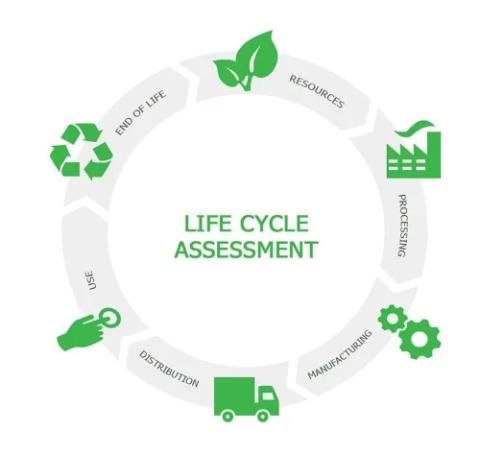
An EPD is based on a Life Cycle Assessment (LCA), a standardised methodology used to evaluate the environmental impacts associated with a product across its value chain.
Understanding Life Cycle Assessment (LCA)
An LCA takes a Cradle-to-Grave approach, considering every stage of a product's life cycle, from raw material extraction and manufacturing through to transportation, use and eventual end-of-life treatment or disposal.
EPDs are Developed in Accordance with International Standards
Environmental Product Declarations (EPDs) follow the internationally recognised ISO 14025 Type III standard, established by the International Organization for Standardization (ISO).
They are developed using a Life Cycle Assessment (LCA) conducted in accordance with ISO 14040 and ISO 14044 , ensuring a consistent and internationally recognised approach to assessing environmental impacts.
Independently Verified Environmental Information
EPDs are independently verified by a third party, helping ensure the reliability and credibility of the environmental data they contain.
This provides customers, specifiers and procurement teams with transparent information to support informed purchasing decisions.
Comparisons Within the Same Product Category
While EPDs are not always directly comparable, meaningful comparisons can be made when they follow the same Product Category Rules (PCR) and equivalent assessment conditions.
PCRs establish the requirements for conducting a Life Cycle Assessment, including allocation methods, data quality standards and system boundaries.
WHY EPDs MATTER
Key Benefits of EPDs
01 Greater Transparency
Provide measurable information about a product's environmental impacts.
02 Customer Confidence
Help meet customer expectations and specifications through transparent environmental reporting.
03 Product Credibility
Demonstrate alignment with internationally recognised standards.
04 Life Cycle Management
Support a more comprehensive understanding of environmental impacts throughout a product's life cycle.
05 Continuous Improvement
Identify opportunities to improve energy efficiency, optimise material use and reduce transportation costs.